
How to Open a US Business Bank Account in 2025 (Even for International Founders)
Opening a business bank account is a crucial milestone for every entrepreneur. It separates your company finances from personal funds, keeps you organized, and helps establish credibility with customers, partners, and even tax authorities.
The good news? Opening a business account is simpler than most founders expect—especially with the rise of online banking. In this guide, we’ll break down the benefits of having a dedicated business account, the requirements, and the step-by-step process of opening one, whether you’re in the U.S. or abroad.
Why You Need a Business Bank Account
Running a business without a dedicated account can get messy. Here’s why having one is non-negotiable in 2025:
1. Protect Your Personal Assets
Mixing personal and business funds puts your personal finances at risk. If your business ever faces legal issues, keeping funds separate offers stronger liability protection.
2. Simplify Taxes
A separate account makes it easy to track income and expenses, reducing headaches during tax season. It also signals to the IRS that your business is legitimate—not just a hobby.
3. Build Professional Credibility
Customers and partners are more comfortable paying a registered business than an individual. Writing checks or accepting card payments through a business account instantly boosts your professionalism.
4. Unlock Credit & Financing
Many banks offer lines of credit, business credit cards, or small business loans. Building a financial history for your company starts with opening an account.
5. Support Growth
Business accounts often come with add-ons like payroll tools, merchant services, or international payment options—essential as your company scales.
When Should You Open a Business Account?
Ideally, before you accept your first customer payment. Most founders open one during or shortly after incorporation, once they have their business license and tax identification number (EIN or SSN for sole proprietors).
What to Consider Before Choosing a Bank
Not all accounts are created equal. Here’s what to compare:
- Fees: Monthly service charges, ATM fees, wire transfer fees, etc.
- Account limits: Some banks cap transactions and charge penalties for overages.
- Features: Mobile apps, online check deposits, international transfers, debit cards.
- Scalability: Does the bank offer upgraded plans or additional services as you grow?
- Integration: Compatibility with bookkeeping or eCommerce platforms.
Tip: Don’t just stick to the bank you already use personally. Compare multiple providers before deciding.
Can You Open a Business Account Online?
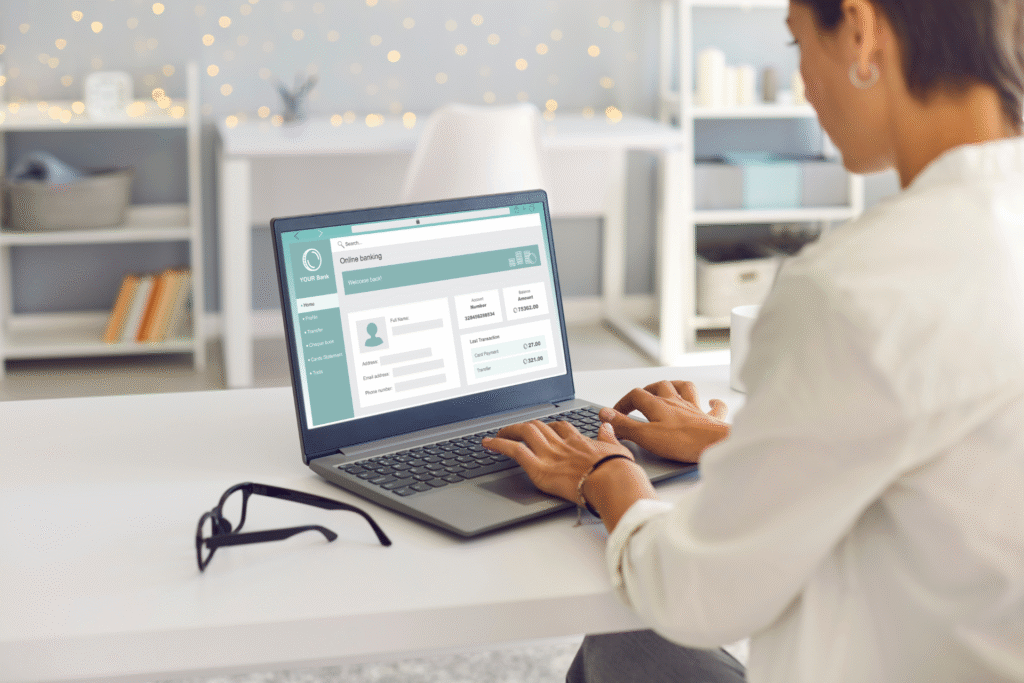
Yes! In 2025, most major banks and fintech providers allow you to open business accounts online in just a few minutes. Some traditional banks may still require an in-person visit, especially for international founders, but many offer fully digital onboarding.
6 Steps to Open a Business Bank Account Online
Step 1: Research Providers
Make a shortlist of banks or online-first platforms that suit your business needs. Consider fees, features, and international support. Popular options include:
- beyoufound partner network
- Mercury
- Chase
- Bank of America
- Wells Fargo
- PNC
Step 2: Compare Fees & Features
Look for free or low-fee accounts if you’re starting out. Pay attention to:
- Monthly maintenance charges
- Minimum balance requirements
- Wire & ATM fees
- Sign-up bonuses or cashback offers
Also, check for helpful features like merchant accounts, mobile deposits, or integrations with bookkeeping software.
Step 3: Choose Your Account Type
Depending on your needs, you might consider:
- Business Checking → Day-to-day transactions, payroll, and vendor payments.
- Business Savings → Stash away profits for taxes or future expenses.
- Money Market Accounts (MMA) → Higher interest than savings, but with withdrawal limits.
- Certificates of Deposit (CDs) → Lock in funds for long-term savings at fixed interest.
- Merchant Accounts → Process card or online payments (great for eCommerce).
- Foreign Currency Accounts → Ideal for businesses with international transactions.
Step 4: Gather Your Documents
Banks typically require:
- Personal ID (passport or driver’s license)
- Employer Identification Number (EIN) or SSN (sole proprietors)
- Business formation documents (Articles of Incorporation, LLC Agreement, Partnership Agreement, etc.)
- Business license and address
Step 5: Submit Application & Initial Deposit
Most applications are online and take minutes. Expect approval within 2–4 business days. Once approved, make your initial deposit—via wire, transfer, check, or cash.
Step 6: Activate Banking Services
After approval, activate the tools you’ll need:
- Business debit/credit cards
- Payroll services
- Online banking & mobile apps
- Business credit lines (if offered)
Finding the Right Bank for You
Opening a business account is more than paperwork—it’s a step toward financial stability and credibility. Take the time to compare options, understand fees, and pick a provider that grows with your business.
And if you need help setting up your business structure, tax filings, or ongoing financial management, beyoufound offers streamlined solutions for founders worldwide.
FAQs
Q: Which banks allow online business account opening?
Most large U.S. banks (Chase, Wells Fargo, Bank of America) plus online-first providers like Mercury and Brex. Always check eligibility if you’re an international founder.
Q: How long does it take to open an account?
Typically 2–4 business days once your documents are submitted.
Q: Can I open a joint business account?
Yes, but some banks may require all partners to appear in person.
✅ Final Note: Opening a U.S. business bank account in 2025 is easier and faster than ever before. With the right preparation and documents, you’ll have your account up and running in no time—ready to accept payments, pay expenses, and grow your company.
Want to simplify the process? beyoufound helps entrepreneurs worldwide set up their businesses, banking, and bookkeeping with ease.